
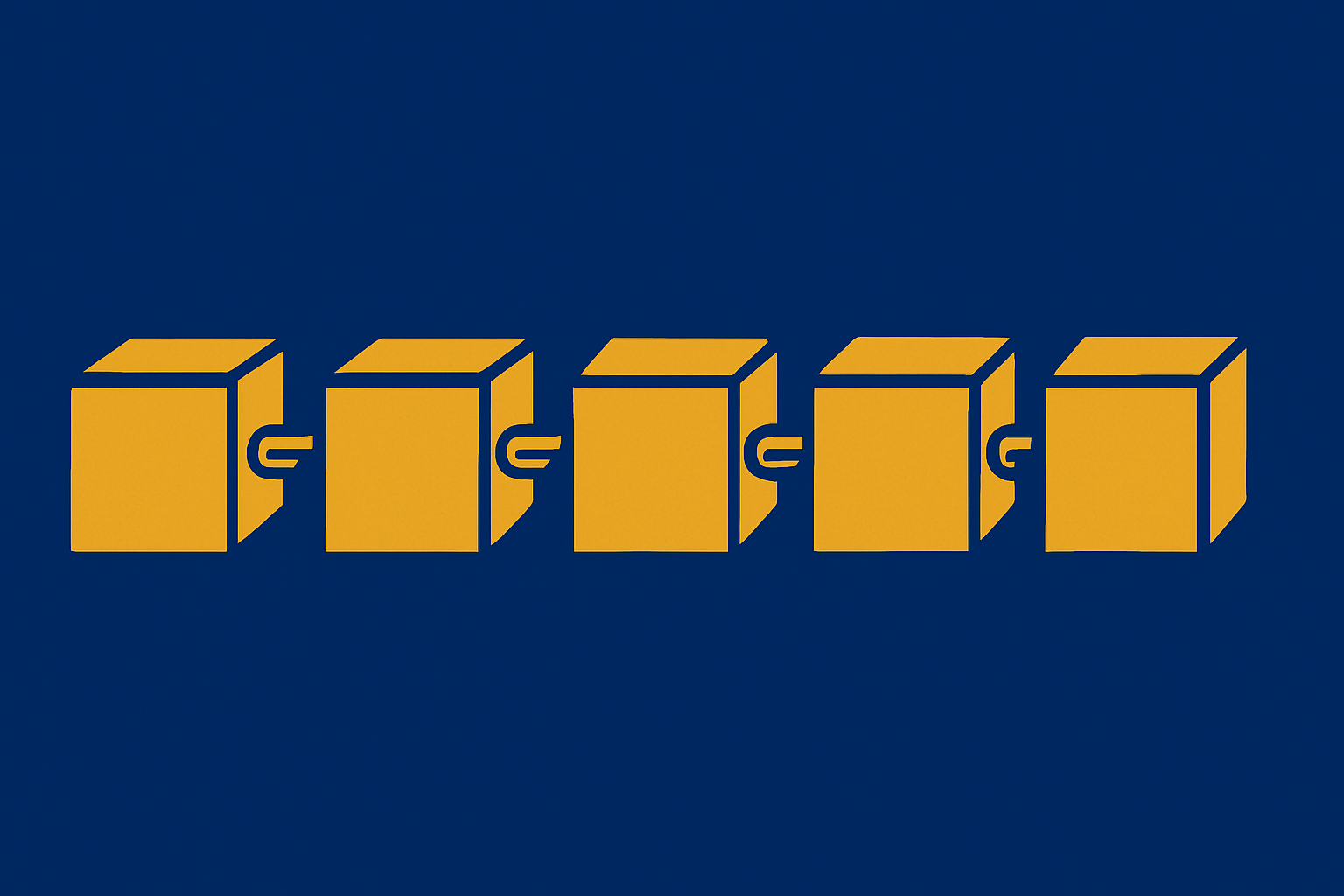
The technology behind Bitcoin, which has gained popularity in recent years, is known as Blockchain. But what exactly is Blockchain?
With the rise of cryptocurrencies, curiosity about the technology powering them also increased. Blockchain became popular during this process. In simple terms, Blockchain is a distributed database system that tracks encrypted transactions in a chain of blocks. If terms like “distributed system” or “database” sound confusing, you can think of Blockchain as a digital online ledger. This ledger can track all types of data, and once recorded, information cannot be altered or hacked. Thanks to these features, Blockchain can potentially be applied in many areas of daily life.
From verification processes to voting systems, Blockchain is already used in multiple fields. While transactions are publicly visible, the identities of those performing them remain anonymous unless revealed by the individual.
Distributed System
In defining Blockchain, we referred to it as a distributed database. A distributed system means that identical data is stored simultaneously on multiple interconnected computers. These nodes behave as a single system, so even if some fail, the others keep the network running without interruption. Because of this distributed structure, data does not belong to any single person or institution. Everyone can access it equally, ensuring transparency and resilience.
Advantages of Blockchain
A full definition of Blockchain also highlights its main advantages:
-
Security: Anyone making a transaction on the Blockchain network knows that their data cannot be shared without consent, making it highly secure.
-
Record-Keeping: Every transaction is permanently recorded. Although the identity of the person behind the transaction remains hidden, the record itself is always accessible and trustworthy.
-
Efficiency: Thanks to its decentralized design, transactions are completed much faster, reducing delays that occur in traditional systems.
Core Elements of Blockchain
To better understand the technology, it helps to break Blockchain down into its core components:
-
Distributed Ledger Technology (DLT): Every participant in the network can access the same digital ledger. Transactions are recorded only once and cannot be duplicated.
-
Immutable Records: Once a transaction is added to the Blockchain, it cannot be altered. If a mistake occurs, a new corrective transaction must be added, making both records visible.
-
Smart Contracts: To speed up processes, Blockchain also uses smart contracts—self-executing agreements stored directly on the network.
How Does Blockchain Work?
As the name suggests, Blockchain stores data in blocks. Computers connected to the network, often referred to as “miners” or nodes, gather transactions, encrypt them, and group them into blocks. These blocks are then validated and linked together using cryptographic hashes, creating a secure chain.
Volunteers across the network validate each block. Once sufficient approval is achieved, the block is added to the chain. Because each block is connected to the previous one, tampering with Blockchain data becomes almost impossible.
To simplify:
-
Every Transaction is Recorded: When you make a transaction, it is automatically logged into the Blockchain.
-
Transactions Are Linked: Each transaction connects to the ones before and after it, forming a continuous data chain.
-
An Immutable Chain is Created: Each new block validates the previous one, reinforcing the entire Blockchain and making tampering obvious and impractical.
Is Blockchain Secure?
From its definition to its technical workings, Blockchain is designed to be secure. Data inconsistencies are resolved by majority consensus among network nodes, making malicious alterations nearly impossible.
While in theory data could be changed if more than half of the network were compromised (a “51% attack”), in practice achieving such control is considered almost impossible on large, established blockchains like Bitcoin.
Is Blockchain Transparent?
Yes—Blockchain is highly transparent. All transactions can be publicly viewed and verified on explorers like Blockchain.com.
However, transparency does not mean loss of privacy. Transactions are visible, but the identities of the individuals behind them are not. This means Blockchain combines public transparency with private anonymity.
Leave a Reply