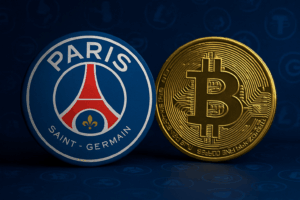
Announced at the Bitcoin 2025 Conference in Las Vegas, this move shows that PSG is not only a game-changer on the field but also in its financial strategy. Pär Helgosson, head of the club’s innovation arm PSG Labs, revealed that some traditional reserves were converted into Bitcoin as of 2024 and remain on the club’s balance sheet. This demonstrates that PSG views cryptocurrencies not just as short-term marketing tools but as long-term strategic assets.
With this move, PSG positions itself at the intersection of finance, technology, and sports. The club aims to build a structure integrated with Web3 and decentralized finance (DeFi), aligning with its young, digitally engaged fan base. Beyond Bitcoin, PSG embraces a diversified digital future strategy that includes NFTs, fan tokens, and startup investments.
Why Did PSG Invest in Bitcoin?
The motivation behind PSG’s pivot to Bitcoin is not only financial strategy but also fan engagement and brand vision tailored to the digital age. The club believes that digital assets are not just a passing trend but part of a long-term transformation.
Targeting stronger ties with audiences under 34, PSG seeks to actively integrate with Web3 and DeFi. According to PSG Labs leader Pär Helgosson, the Bitcoin investment is intended to enhance the club’s financial resilience and ensure early adaptation to the digital economy. This move highlights the club’s commitment to innovation and forward-looking vision.
What Does It Mean for Other Sports Clubs?
PSG’s Bitcoin step represents not only its own financial vision but also a turning point for the global sports industry. Until now, clubs’ engagement with crypto has mostly revolved around sponsorship deals, fan tokens, or NFT campaigns. PSG’s direct investment decision may compel others to explore deeper strategic models.
Crypto assets are no longer just promotional tools but alternative financial instruments that can appear in club balance sheets. This may push major football clubs and organizations in other sports to take digital assets more seriously.
Moreover, PSG’s move is not solely a financial example—it also intends to support Web3 startups and foster ecosystem growth. In this sense, clubs have the chance to become not only investors but also early builders of Web3 infrastructure.
As crypto interest grows and regulations become clearer, early moves like PSG’s could be remembered as visionary investments that set clubs apart in the coming years.
The Impact on the Crypto World
Paris Saint-Germain’s decision to add Bitcoin to its treasury reserves caused major ripples in the crypto community. The step reflects a new stage of institutional adoption. What was once limited to tech companies and financial institutions has now expanded to the sports industry.
By entering this space, PSG broadens the scope of institutional crypto adoption. Sports clubs, which directly engage with mass audiences, adopting Bitcoin adds legitimacy to the digital asset. This can attract new investors to the market and exert positive pressure on regulatory processes.
PSG also went further than simply investing—it announced support for Web3 initiatives, positioning itself as an innovation enabler in the sector. For the crypto community, this represents not just capital but the entry of another “infrastructure player” helping grow the ecosystem.
In short, PSG’s move could mark both a symbolic and structural milestone in the crypto world. When combined with the global power of sports, such actions could further solidify the future of digital assets.