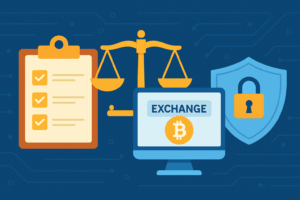
The Capital Markets Board of Turkey (SPK) has introduced a set of new regulations aimed at tightening oversight of the country’s rapidly growing cryptocurrency sector. For years, the lack of clear rules and control mechanisms has been a challenge for both investors and regulators. With these measures, Turkey hopes to build a more secure, transparent, and standardized environment for digital finance.
Licensing Becomes Mandatory
At the heart of the new rules is a licensing requirement. From now on, any platform offering crypto trading services must first obtain official authorization from the SPK. Companies applying for a license will need to meet minimum capital requirements, adopt a specific organizational structure, and establish internal control systems.
Existing exchanges have been given a transition period to complete their applications and comply with the requirements. Those that fail to do so within the designated time will no longer be allowed to operate. The goal is to eliminate unregulated “underground” operators and raise industry standards.
Stricter Audits to Ensure Transparency
Another major feature of the new framework is mandatory independent audits. Exchanges will now be required to undergo quarterly audits conducted by officially contracted third-party firms.
These audits will include full listings of all crypto assets held, details on storage methods, and disclosure of access permissions. To ensure impartiality, an audit firm can oversee the same exchange for no more than 12 consecutive terms. The SPK’s intention is to give users visible proof that their funds are indeed safe.
Investor Protection at the Forefront
The regulations place particular emphasis on investor rights. Exchanges must now provide detailed documentation on how client assets are stored and what security protocols are in place. Customer balances will also be integrated into Turkey’s Central Securities Depository (MKK) system, where they will be regularly reported and monitored under state oversight.
Leverage trading and derivatives are also being restricted. Exchanges will not be allowed to offer leverage or credit trading on listed assets. In addition, each platform must form a listing committee to decide which cryptocurrencies can be traded. This is designed to prevent high-risk, unverified projects from being introduced to retail investors.
Building Trust and Global Reputation
With these measures, the SPK aims to make Turkey’s crypto sector more institutional, trustworthy, and sustainable. The combination of investor safeguards, mandatory audits, and licensing requirements is expected to create a safer market environment.
For domestic investors, the regulations provide stronger protection and transparency. For Turkey’s global reputation, they signal a commitment to aligning with international financial standards and addressing long-standing concerns about regulatory gaps.
Industry observers believe these steps could not only strengthen confidence in Turkey’s crypto ecosystem but also make the country a more attractive destination for international fintech investment.