As Bitcoin has become more widely used, the question “How can lost Bitcoin wallets be found?” has become increasingly common. Many people who bought Bitcoin in the early years, mined it, or tried different wallet applications are now attempting to regain access to old holdings.
However, Bitcoin does not work like a traditional bank account. There is no customer service department that can reset access or return funds. Bitcoin remains recorded on the blockchain, while what is usually lost is the information needed to control it: the private key, seed phrase, wallet file or password. For this reason, finding a lost Bitcoin wallet is mostly about recovering the user’s own access details.
Can a Bitcoin Wallet Really Be Lost?
A Bitcoin wallet is not technically deleted from the blockchain. Bitcoin sent to an address remains recorded on the network. But if the user no longer has access to the private key or seed phrase controlling that address, they cannot move the funds even if the balance is visible.
The term “lost Bitcoin” is usually used for situations such as:
- Losing the seed phrase
- Forgetting or deleting the private key
- Forgetting the wallet password
- Losing access to an old phone, computer or hardware wallet
- Losing old wallet files such as
wallet.dat - Losing access to an exchange account or linked email address
Each of these cases requires a different recovery approach. In some scenarios, access may be restored. In others, there may be no technical way back.
The First Step Is Collecting Information
Anyone trying to recover a lost Bitcoin wallet should first organize all available information. Recovery is not based on random attempts, but on carefully evaluating the traces that still exist.
The user should ask the following questions:
- Which wallet application was used?
- Was the wallet on a phone, computer or hardware device?
- Could the seed phrase have been written down somewhere?
- Are there any clues in old emails, photos or notes?
- Is the public address or transaction ID known?
- Are there any old computers, USB drives, external disks or cloud backups?
- Are there any remembered words, dates or patterns related to the wallet password?
The answers to these questions are among the most important factors in determining the chance of recovery.
Old Devices and Backups Should Be Checked
Old devices are one of the most important sources when searching for a lost Bitcoin wallet. Users may have forgotten wallet files on computers, phones, external drives or USB sticks they used years ago.
For early Bitcoin Core users, the wallet.dat file can be especially important. This file may contain critical wallet data. Finding it can open a possible path to recovery. However, if the file is encrypted, the correct password will also be needed.
Places that should be checked include:
- Old laptops and desktop computers
- External hard drives and USB sticks
- Cloud storage accounts
- Old phone backups
- Email attachments
- Password managers
- Physical notebooks
- Photo archives
- Browser download folders
At this stage, found files should not be opened with random programs. If a device may contain Bitcoin-related data and professional data recovery is being considered, new data should not be written to the disk, as this may overwrite recoverable files.
A Seed Phrase Greatly Improves the Chance of Recovery
Most modern crypto wallets use a seed phrase made up of 12 or 24 words. When these words are entered in the correct order, the user can usually restore the wallet through a compatible wallet application or device.
If a seed phrase is available, the following points matter:
- The words must be entered in the correct order.
- A missing or misspelled word can prevent recovery.
- Some wallets may also use a passphrase.
- The seed phrase should never be entered into random websites.
- Recovery should only be attempted through trusted and official wallet software.
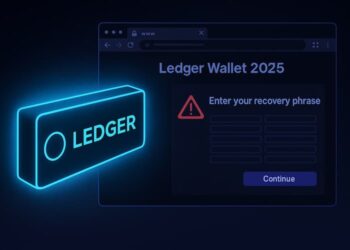
The seed phrase is one of the most critical access details for a Bitcoin wallet. Anyone who knows it can access the funds. For this reason, one of the biggest risks during recovery is sharing the seed phrase with fake support teams or scammers.
A Public Address Shows the Balance, Not Access
Some users only have the public address of a Bitcoin wallet. This address can be checked through a blockchain explorer to view the balance or transaction history. However, a public address alone does not provide access to the wallet.
Knowing a Bitcoin address is similar to knowing a bank account number. Activity can be viewed, but the authority to move the funds belongs to the private key. For this reason, lost Bitcoin cannot be recovered with only the public address.
Still, the public address can be useful. It can show whether the wallet exists, whether the balance is still there, and whether the funds have been moved before.
When Is Recovery Not Possible?
One of the most common mistakes about lost Bitcoin wallets is assuming that every wallet can eventually be recovered. Bitcoin’s decentralized structure gives users full control, but it also gives them full responsibility.
Recovery is generally not possible in the following cases:
- The seed phrase is completely lost
- The private key does not exist anywhere
- The wallet file has been deleted and there is no backup
- The hardware wallet is lost and there is no seed phrase
- A transaction was sent to the wrong address and confirmed
- The wallet password cannot be remembered with any useful clue
In these cases, the Bitcoin remains on the blockchain. However, without the key needed to move it, the funds become practically unusable.
Beware of Recovery Scams
People searching for lost Bitcoin wallets are among the most common targets for scammers. Online, many fake services claim to offer “guaranteed Bitcoin recovery,” “wallet unlocking for an upfront fee” or “private key extraction.”
To stay safe, users should follow these warnings:
- The seed phrase should never be shared with anyone.
- The private key should never be entered into any untrusted platform.
- Be cautious of “recovery experts” asking for upfront payments.
- Do not trust fake support accounts on social media.
- Do not download unofficial wallet software.
- Avoid anyone promising a “100 percent recovery guarantee.”
A realistic recovery process depends on an existing file, device, password clue or seed phrase. No person or company can generate a private key from nothing.
How Can Bitcoin Wallet Loss Be Prevented?
Secure backup practices are essential to avoid losing access to a Bitcoin wallet. Users should store their seed phrase offline, be careful with digital copies and make sure backups remain readable over time.
Basic precautions include:
- Writing the seed phrase on paper or a metal backup product
- Protecting backups from fire, water and theft
- Keeping wallet passwords in a secure password manager
- Storing the seed phrase separately from the hardware wallet
- Creating an inheritance plan
- Recording the wallet application name and access method
In conclusion, finding a lost Bitcoin wallet may be possible in some cases. The chance of success depends on what information the user still has. If there is a seed phrase, private key, wallet file or backup from an old device, recovery may be possible. If all of these are gone, regaining access to the Bitcoin is usually not possible.