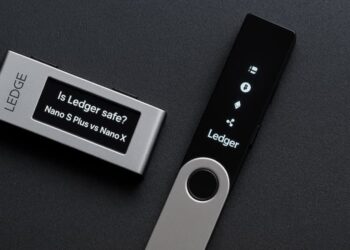
 Ledger, one of the best-known names in crypto self-custody, is in the spotlight again—this time not over device security, but over the protection of customer information. According to multiple reports circulating in the crypto community, a security incident connected to Global-e, a service provider involved in cross-border e-commerce operations, may have enabled unauthorized access to certain Ledger customer details.
Ledger’s messaging has emphasized a key point: this is not being described as a breach of users’ wallets or a compromise of private keys or recovery phrases. Still, even limited personal data exposure can be enough to fuel sophisticated social engineering campaigns, which is why the situation has triggered renewed debate about “Is Ledger safe?”—and, more broadly, how crypto companies manage third-party risk.
How the Alleged Breach Came to Light?
Discussion around the incident gained momentum after posts from ZachXBT, a prominent blockchain investigator known for tracking scams and suspicious activity. The investigator pointed to reports that some Ledger customers received breach-related notifications referencing Global-e, suggesting that a third-party system used in Ledger’s purchasing pipeline may have been accessed improperly.
As screenshots and user accounts spread across social platforms, the story quickly moved beyond community chatter and into crypto media coverage. The recurring theme across reports is that the incident appears linked to a vendor in the commerce stack rather than Ledger’s core wallet infrastructure—an important distinction for users trying to understand what is, and isn’t, at risk.
Community alert: Ledger had another data breach via payment processor Global-e leaking the personal data of customers (name & other contact information).
Earlier today customers received the email below. pic.twitter.com/RKVbv6BTGO
— ZachXBT (@zachxbt) January 5, 2026
Who Is Global-e, and Why Does Ledger Use It?
Global-e is an e-commerce platform that helps merchants sell internationally by handling complex cross-border requirements—such as localized checkout, taxes and duties, payment options, and shipping logistics. For brands shipping to many countries, these services reduce operational friction and improve the customer purchase experience.
Ledger is reported to use Global-e in its online sales flow, particularly for international orders. That kind of partnership typically involves processing customer order data—such as contact details, shipping information, and purchase records—so that payments can be completed and products can be delivered.
This is why the alleged incident is being framed as a third-party exposure rather than a direct “Ledger hack.” Even so, security specialists often stress that vendors are part of the same risk chain: if a supplier’s systems are compromised, customers may still face real-world consequences.
What Customer Data May Be Involved?
Based on the information circulating so far, the issue appears related to data customers provide during checkout and fulfillment—not the cryptographic material that controls funds. The types of information that could be affected may include:
-
Name
-
Email address
-
Phone number
-
Shipping address
-
Order-related details (such as purchase history, product type, or delivery status)
Even without payment data, this is the kind of profile that can be exploited for targeted fraud. In practical terms, personal information plus order context can help attackers craft convincing messages that look “real,” increasing the chance that a user clicks a link or follows instructions.
Crucially, reports emphasize that seed phrases, private keys, and wallet balances are not part of this data set. That point matters: the security model of hardware wallets is designed so that private keys remain on the device and are not stored on vendor servers.
Are Users’ Crypto Funds Directly at Risk?
For many readers, the most urgent question is whether crypto assets can be stolen as a direct consequence of this incident. At this stage, the available reporting does not suggest a compromise of Ledger devices or a breach of the cryptographic secrets needed to move funds.
That said, “not directly at risk” does not mean “no risk.” Personal data exposure can trigger secondary attacks that are sometimes more dangerous in practice: phishing, impersonation, and social engineering. In other words, the threat may shift from technical hacking to human deception—getting a user to reveal a recovery phrase, approve a malicious transaction, or install a fake app.
This is why the incident is being treated less as a question of device security and more as a warning about operational security, vendor management, and user vigilance.
The Biggest Threat: Phishing and Social Engineering
Security researchers routinely observe a predictable pattern after customer data exposures: scammers quickly weaponize contact information to run phishing campaigns. Messages may claim that a user must “verify” their wallet, fix a “security issue,” or confirm a “suspicious transaction.” The goal is often to lure victims to a spoofed website where they are asked to enter their recovery phrase—or to trick them into approving something they shouldn’t.
These attacks don’t rely on email alone. Users may see SMS texts, WhatsApp messages, Telegram DMs, or even phone calls from someone posing as “support.” The more personal the leaked details, the more credible the scam can appear—especially if a message includes correct purchase information.
The guiding rule remains simple: no legitimate provider will ever ask for a 24-word recovery phrase. Any message requesting it should be treated as an attempted theft.
Why the 2020 Ledger Incident Still Shapes Today’s Reaction?
Ledger’s name is often associated with a major customer data leak from 2020, which remained a painful reference point for many users. After that incident, customers reported being targeted for months—sometimes years—by phishing emails and other forms of harassment linked to exposed personal information.
That history matters because it illustrates how the impact of a data exposure can outlast the initial headlines. Even when crypto funds are not directly compromised, a leak of contact details and addresses can create ongoing risk, ranging from persistent scam attempts to more alarming forms of intimidation.
The current reports involving Global-e are not necessarily the same in scope or cause as the 2020 event, but the emotional and security response is similar: users remember what happened last time, and they want clarity on what has changed—and what protections are in place now.
What Users Should Do Now?
Experts say there is no reason for panic, but this is a moment for heightened caution. Users concerned about potential exposure should consider the following steps:
-
Ignore unsolicited messages claiming to be from Ledger or its partners, especially if they create urgency.
-
Never share your seed phrase or private keys under any circumstances.
-
Enable two-factor authentication (2FA) on email and exchange accounts—prefer app-based authenticators over SMS where possible.
-
Verify links carefully. If you need to check something, navigate by typing the official address manually rather than clicking a message link.
-
Treat “support” outreach via phone or messaging apps with suspicion and confirm through official channels.
Even if wallets and keys remain secure, incidents like this can increase the risk of fraud by making scams more targeted and convincing. In that sense, the broader takeaway goes beyond Ledger: in crypto, personal data security and third-party exposure can be just as important as the technical security of a device.