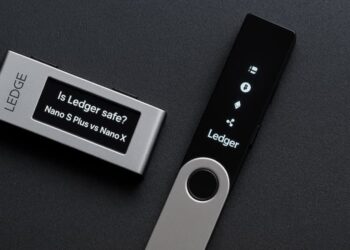
 In recent days, a new phishing kit has attracted attention on Dark Web forums. Marketed under the name “Ledger Wallet 2025 Smart Scampage Inferno Multichain”, this software generates counterfeit interfaces almost identical to Ledger’s 2025 design, aiming to deceive crypto investors. Using these professional-looking fake pages, scammers lure users into entering their recovery phrases and then drain their wallets.
The Dangerous Features of Fake Ledger Pages
The kit used by scammers is more than just a basic copy; it is packed with sophisticated features designed to deceive:
-
2025 Interface Imitation → The most recent Ledger design language is cloned, leaving users unsuspecting.
-
Anti-Bot Protection → Filters are embedded to bypass automated detection systems.
-
Mobile and Desktop Compatible → The fake pages display flawlessly on all devices.
-
Seed Phrase Theft → Victims are pushed to enter their 24-word recovery phrase.
-
Dark Web Distribution → The kit is promoted in closed forums and shared via anonymous file-hosting services.
Golden Rules to Protect Yourself from Fake Ledger Pages
There are some essential precautions Ledger users should follow to stay safe against these scams:
-
Never share your seed phrase → The 24 words should never be typed into any website or app. They belong only on the device itself.
-
Verify official addresses → Download software and updates solely from ledger.com.
-
Check digital signatures → Always confirm the SHA-512 signature of Ledger Live downloads.
-
Beware of suspicious emails → Emails demanding a “mandatory update” or “account verification” are red flags.
-
Report suspicious pages → Fake websites should be reported directly to Ledger’s official phishing alert channels.
Why Phishing Is a Bigger Threat in 2025
In the past, fake pages were often poorly designed and easy to spot. But in 2025 the game has changed. Scammers are now distributing kits that look like professional software products. The fake interfaces are nearly indistinguishable from official ones, with full mobile and desktop responsiveness.
Meanwhile, attackers are leveraging the growing “drainer-as-a-service” ecosystem on the Dark Web. This means anyone—not just skilled hackers—can purchase ready-made phishing kits for a small fee. As a result, both the volume and quality of phishing attacks are on the rise. Beyond fake web pages, scammers now use well-crafted emails, fraudulent update pop-ups, and convincing links to deceive users.
In short, crypto-related phishing has become both more convincing and more accessible, making it far more dangerous than in previous years.
The Growing Threat Across the Crypto World
The Ledger case is only the tip of the iceberg. Scammers are not targeting hardware wallets alone; fake versions of major exchanges like Coinbase and Kraken are also circulating. This means the problem extends beyond one brand—it affects the entire crypto ecosystem.
As phishing kits become easier to access, every careless user is at risk. A single rushed click or hasty “update” can wipe out years of savings in seconds. In today’s environment, awareness and skepticism are the strongest weapons. Ultimately, the safety of digital assets depends less on technology itself and more on the user’s vigilance and caution.